Discovering the Cutting-edge Procedures Behind Modern Light Weight Aluminum Shop Workflow
Modern aluminum foundry procedures are going through substantial change. Automation and AI are reshaping manufacturing methods, boosting both performance and precision. The combination of 3D printing is streamlining mold creation, while sustainability methods are ending up being extra crucial. Each of these developments plays a vital function in redefining the industry. However, the implications of these changes extend past plain manufacturing efficiency. What difficulties and possibilities exist in advance for aluminum shops in this developing landscape?
The Duty of Automation in Aluminum Foundries
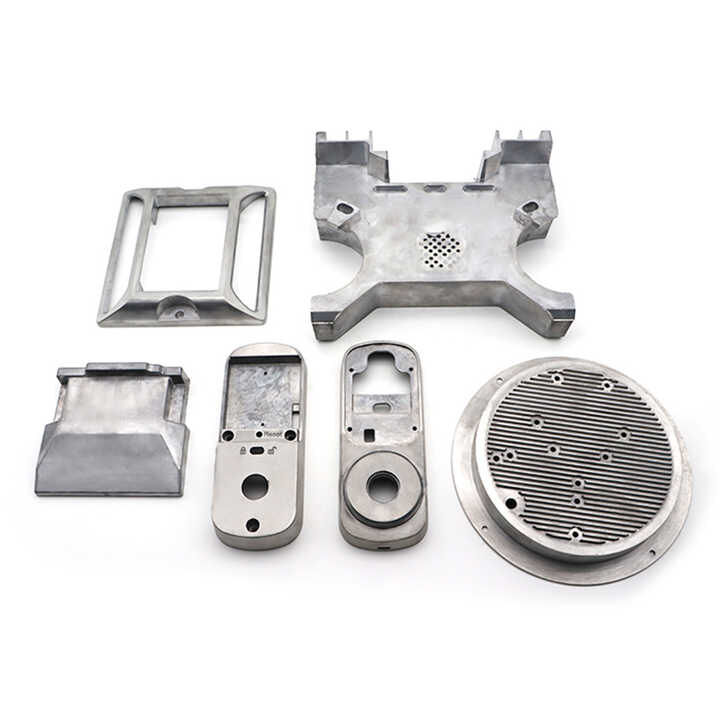
In addition, automation adds to enhanced security criteria within the shop atmosphere. By moving dangerous tasks to devices, human workers can concentrate on managerial roles and quality control, minimizing the danger of accidents. Additionally, information analytics stemmed from automated processes provide valuable understandings right into operational performance, resulting in better decision-making and continual enhancement. As the need for aluminum products expands, the fostering of automation modern technologies will likely broaden, further transforming the landscape of light weight aluminum foundry procedures.
Advancements in Casting Technologies
Current advancements in casting technologies are changing light weight aluminum shop procedures. Developments such as 3D printing combination, advanced alloy formulas, and automated procedure optimization are enhancing effectiveness and product top quality. These growths are critical in satisfying the evolving demands of the sector.
3D Printing Assimilation
Integrating 3D printing modern technology right into aluminum factory procedures has actually reinvented traditional spreading methods, improving both performance and accuracy. This cutting-edge method permits the fast manufacturing of intricate mold and mildews and cores, considerably reducing preparations and product waste. By utilizing additive production, shops can develop detailed geometries that were impossible or previously challenging to achieve with traditional methods. The flexibility of 3D printing also allows quick design alterations, fostering a much more nimble production process. Furthermore, this assimilation supports using light-weight frameworks, which is significantly important in industries such as automobile and aerospace. As aluminum factories remain to embrace 3D printing, they position themselves at the leading edge of technological innovation, driving improvements in product high quality and functional abilities.
Advanced Alloy Formulations
The development of advanced alloy formulations has greatly boosted spreading technologies in light weight aluminum shop procedures. These formulas integrate numerous elements, such as magnesium, copper, and silicon, to enhance mechanical homes and thermal resistance. By customizing the make-up of light weight aluminum alloys, manufacturers can achieve details efficiency features that satisfy the needs of diverse applications, from automotive components to aerospace frameworks. Making use of advanced alloys likewise adds to minimized weight and increased stamina, which are vital elements in contemporary engineering. In addition, innovations in alloy development enable much better fluidity during casting, causing improved surface finishes and lowered problems. In general, progressed alloy solutions stand for a substantial jump ahead, positioning light weight aluminum factories to satisfy the advancing requirements of numerous industries effectively.
Automated Process Optimization
Developments in casting modern technologies have actually paved the means for automatic procedure improvement in aluminum factory operations. By incorporating sophisticated software and real-time data analytics, foundries can currently enhance production processes and boost quality assurance. Automated systems keep an eye on variables such as cooling, stress, and temperature level rates, permitting instant changes that minimize problems and waste. Furthermore, maker understanding algorithms examine historic efficiency data to forecast ideal setups, thereby boosting performance and minimizing cycle times. Robotics likewise play a considerable role, managing recurring tasks that boost safety and security and accuracy. On the whole, these developments not only drive functional effectiveness however also enable factories to satisfy the growing demand for high-grade aluminum components in various markets.
Smart Manufacturing and Market 4.0 Combination
The combination of Smart Manufacturing and Market 4.0 within light weight aluminum factories is transforming functional effectiveness. By leveraging IoT modern technologies, automation, and robotics, foundries can maximize manufacturing procedures and reduce downtime. Furthermore, information analytics gives crucial insights that improve decision-making and drive continual renovation.
IoT in Foundry Operations
As manufacturers increasingly accept the Web of Points (IoT), foundry operations are experiencing a transformative change towards smart production and Sector 4.0 assimilation. Aluminum Foundry. IoT innovations make it possible for real-time information collection and analysis, improving decision-making procedures and functional performance. Sensors and connected gadgets monitor tools performance, product usage, and environmental conditions, enabling aggressive maintenance and source optimization. This connection fosters a much more agile manufacturing setting, where adjustments can be made promptly in action to market demands. In addition, IoT helps with boosted traceability and top quality control, as data from the entire production cycle can be easily accessed and analyzed. In general, the assimilation of IoT in shop operations substantially improves efficiency and drives advancement in aluminum manufacturing procedures
Automation and Robotics Assimilation
Automation and robotics integration is changing aluminum foundry operations by boosting efficiency and accuracy. This transformative approach simplifies processes such as molding, pouring, and finishing, decreasing human error and enhancing outcome uniformity. By employing sophisticated robotic systems, foundries can attain higher production rates while keeping strict high quality requirements. Automated systems additionally make it possible for real-time tracking and flexible control, enabling speedy adjustments to production parameters. In enhancement, the combination of robotics lessens labor costs and alleviates safety and security threats connected with hand-operated handling of molten steel. As foundries accept clever manufacturing principles fundamental in Market 4.0, the synergy between automation and robotics strengthens their affordable edge, paving the method for lasting development and technology in the light weight aluminum spreading field.
Information Analytics for Performance
Using data analytics greatly enhances performance within aluminum foundry operations, straightening with smart production and Industry 4.0 concepts. By leveraging real-time information collection and analysis, foundries can keep track of production processes, anticipate tools failings, and maximize source allotment. This data-driven approach promotes insightful decision-making, making it possible for managers to recognize bottlenecks and boost process. In addition, predictive analytics encourages foundries to anticipate market needs, thereby lowering waste and making sure prompt product distribution. Assimilation of information analytics with IoT gadgets enhances functional visibility, promoting a positive maintenance culture. Ultimately, implementing these innovative analytical strategies not just enhances productivity however additionally drives development, positioning aluminum shops to satisfy the developing needs of the industry while keeping competitive sides in a swiftly changing landscape.
Lasting Practices in Aluminum Spreading
While the light weight aluminum spreading industry has generally encountered ecological difficulties, lots of factories are currently taking on lasting methods to mitigate their influence (Aluminum Foundry). A significant focus has gotten on reusing light weight aluminum scrap, which not just reduces waste but likewise conserves energy contrasted to key light weight aluminum manufacturing. Ingenious melting modern technologies, such as induction heaters, improve energy effectiveness and lower greenhouse gas emissions
Additionally, foundries are implementing closed-loop water supply to decrease water intake and minimize thermal air pollution. Making use of green binders in mold-making procedures is getting traction, more reducing dangerous exhausts.
Some centers are investing in eco-friendly energy resources to power operations, straightening with global sustainability goals. By integrating these practices, the light weight aluminum casting sector is evolving toward a much more ecologically responsible future, demonstrating that financial growth can exist together with eco-friendly stewardship - Aluminum Foundry. These initiatives show a dedication to sustainability and the significance of ecological responsibility in manufacturing
Quality Assurance Innovations
As the aluminum spreading industry advancements towards sustainability, the relevance of quality control technologies ends up being significantly obvious. Modern light weight aluminum foundries are embracing innovative innovations to boost their quality control processes. Strategies such as real-time tracking and information analytics permit manufacturers to detect problems and incongruities early in the production cycle. Carrying out automatic examination systems geared up with equipment learning formulas guarantees that products fulfill strict high quality standards while minimizing human mistake.
Moreover, the assimilation of non-destructive he said testing techniques, such as ultrasonic and radiographic examinations, provides much deeper understandings right into the stability of castings without damaging the product. These developments not only enhance product dependability however likewise decrease waste, straightening with sustainability objectives. Furthermore, the adoption of standard top quality frameworks assists enhance procedures across various foundries, guaranteeing consistency in result. Jointly, these developments are reshaping high quality control, promoting a culture of quality within the aluminum spreading industry.
Future Trends in Aluminum Factory Operations
What advancements exist ahead for light weight aluminum factory operations? The future of aluminum factories is positioned for makeover through weblink innovations in automation, artificial knowledge, and lasting techniques. The combination of robotics and automated systems is anticipated to enhance efficiency and accuracy in the casting procedures, minimizing human mistake and labor prices. Additionally, AI-driven analytics will certainly allow real-time monitoring and predictive upkeep, optimizing operational performance and lessening downtime.
Sustainability stays a focal factor, with foundries progressively embracing environment-friendly practices, such as using recycled aluminum and creating low-emission melting innovations. Developments in 3D printing are additionally anticipated to change mold-making, permitting for complex geometries and lowered material waste. As the market welcomes digitalization, data-driven decision-making will certainly come to be crucial, enabling factories to react swiftly to market needs. Jointly, these trends guarantee to redefine aluminum factory procedures, making them a lot more efficient, lasting, and adaptable to future obstacles.
Regularly Asked Inquiries
What Safety Steps Are Applied in Light Weight Aluminum Factory Workflow?
Light weight aluminum shop procedures execute numerous safety and security procedures, including individual safety devices, ventilation systems to handle fumes, routine security training, emergency situation action plans, and rigid surveillance of temperature level and tools to stop mishaps and guarantee worker safety.
Just How Do Foundries Manage Labor Force Training for New Technologies?
What Products Are Generally Reused in Aluminum Foundries?
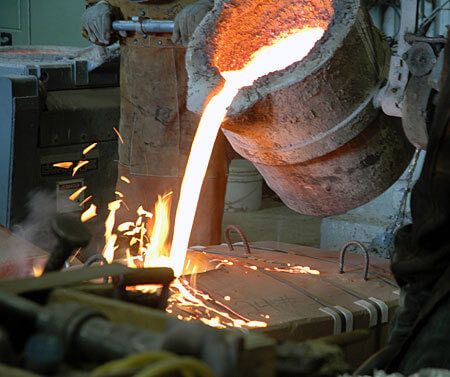
Aluminum foundries frequently reuse scrap aluminum, including post-consumer products like drink cans, auto components, and construction products. This recycling process reduces waste and conserves resources, adding to an extra lasting aluminum production industry.
How Does Aluminum Spreading Impact the Atmosphere?
Aluminum casting impacts the setting via energy-intensive procedures, greenhouse gas exhausts, and possible local contamination. However, developments in reusing and sustainable techniques can minimize these effects, promoting an extra eco-friendly strategy to aluminum manufacturing.
What Are the Regular Lead Times for Light Weight Aluminum Casting Projects?
Normal preparation for light weight aluminum spreading tasks vary significantly, usually ranging from 2 to six weeks. Aspects influencing these timelines include intricacy, order size, and product accessibility, impacting overall production routines in foundry procedures.
Automation significantly plays a crucial function in aluminum factories, improving effectiveness and accuracy in the manufacturing procedure. Developments in casting modern technologies have actually led the means for automatic process enhancement in aluminum foundry read review operations. Taking advantage of data analytics greatly enhances efficiency within light weight aluminum shop procedures, straightening with wise production and Sector 4.0 principles. A substantial focus has actually been on recycling aluminum scrap, which not just lowers waste however additionally saves energy compared to main light weight aluminum manufacturing. Aluminum factories frequently reuse scrap light weight aluminum, consisting of post-consumer products like drink containers, auto components, and construction products.